
Enhance Efficiency with Utility Locate Tools
- sdmac2
- 6 days ago
- 3 min read
Underground utility contractors face many challenges daily. One of the biggest is managing utility locates efficiently. Delays in locating underground utilities can cause costly project slowdowns and increase financial risks. Using the right utility locate tools can help reduce these delays and improve overall project efficiency.
Why Utility Locate Tools Matter
Utility locate tools are essential for identifying underground utilities before excavation or construction begins. These tools help contractors avoid damaging gas lines, water pipes, electrical cables, and other critical infrastructure. Without accurate locating, projects risk safety hazards, regulatory fines, and expensive repairs.
Using advanced utility locate tools offers several benefits:
Improved accuracy: Modern tools provide precise location data.
Faster locating: Automated and digital tools speed up the process.
Better documentation: Digital records help track locate requests and results.
Reduced downtime: Quicker locates mean less waiting and fewer project delays.
For example, electromagnetic locators detect metal pipes and cables underground. Ground-penetrating radar (GPR) can identify non-metallic utilities like plastic pipes. Combining these tools ensures comprehensive locating.

Utility locator device scanning underground pipes
Key Features of Effective Utility Locate Tools
When selecting utility locate tools, focus on features that enhance efficiency and accuracy. Here are some critical features to consider:
Multi-utility detection
Tools should detect various utility types, including gas, water, electric, and telecom lines.
Digital integration
Integration with software platforms allows for easy data sharing and record keeping.
User-friendly interface
Simple controls and clear displays reduce operator errors.
Real-time data
Immediate feedback helps contractors make quick decisions on-site.
Durability
Tools must withstand harsh outdoor conditions and rough handling.
GPS compatibility
GPS-enabled tools can map utility locations accurately on site plans.
Using tools with these features can significantly reduce the time spent on utility locating and improve the quality of the data collected.
How to Maximize Efficiency with Utility Locate Tools
To get the most out of utility locate tools, follow these practical steps:
Train your team
Ensure all operators understand how to use the tools correctly. Regular training updates keep skills sharp.
Plan locates in advance
Schedule locate requests early to avoid last-minute delays.
Use software for management
Employ digital platforms to track locate requests, results, and deadlines.
Combine multiple tools
Use electromagnetic locators alongside GPR for thorough utility detection.
Document everything
Keep detailed records of locate activities to support compliance and future reference.
Communicate with utility owners
Coordinate with utility companies to confirm locate results and resolve discrepancies.
By following these steps, contractors can reduce errors, avoid rework, and keep projects on schedule.
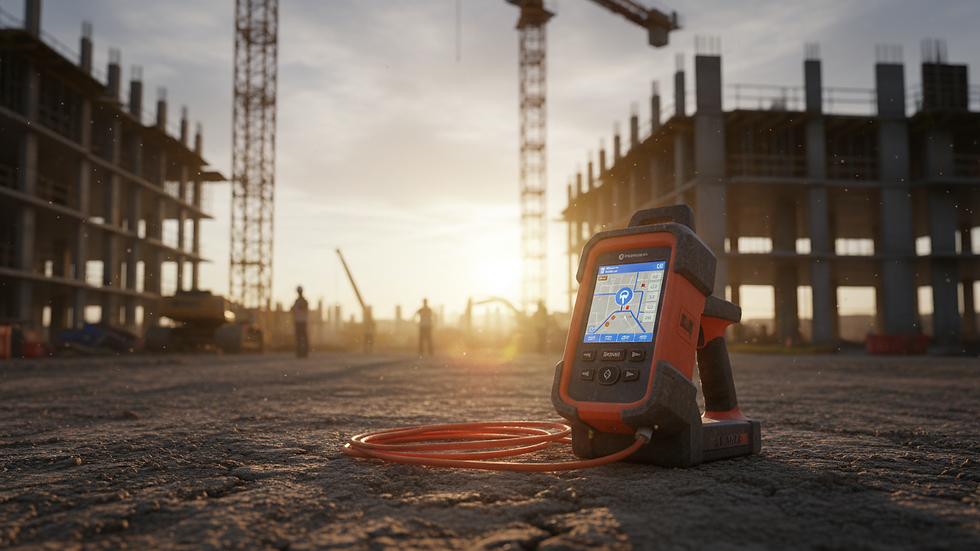
GPS-enabled utility locator device on a construction site
The Role of Technology in Utility Locate Management
Technology plays a vital role in improving utility locate processes. Digital tools and apps streamline communication and data management. For instance, the utility locate management platform centralizes locate requests, tracks progress, and sends alerts for delays.
This technology helps contractors:
Monitor locate status in real time.
Receive notifications about late or incomplete locates.
Access historical data for better project planning.
Reduce financial losses caused by locate delays.
Adopting such platforms complements physical utility locate tools and enhances overall project efficiency.
Best Practices for Using Utility Locate Tools Safely
Safety is paramount when working near underground utilities. Follow these best practices to protect your team and infrastructure:
Always call 811 or the local utility notification center before digging.
Use utility locate tools to verify the exact location of utilities.
Mark utility lines clearly on the ground.
Maintain a safe distance from marked utilities during excavation.
Wear appropriate personal protective equipment (PPE).
Report any discrepancies or damaged utilities immediately.
Adhering to these safety measures reduces accidents and project interruptions.
Improving Project Outcomes with Utility Locate Tools
Efficient use of utility locate tools leads to better project outcomes. Contractors can:
Complete projects on time by avoiding locate-related delays.
Lower costs by preventing utility damage and associated repairs.
Enhance safety for workers and the public.
Build stronger relationships with utility companies through accurate locating.
Increase client satisfaction by delivering reliable results.
Investing in the right tools and processes is a smart business decision that pays off in the long run.
Utility locate tools are indispensable for underground utility contractors. They improve accuracy, speed, and safety while reducing costly delays. By combining advanced tools with digital management platforms like utility locate management, contractors can enhance efficiency and profitability on every project.


Comments